

Malta
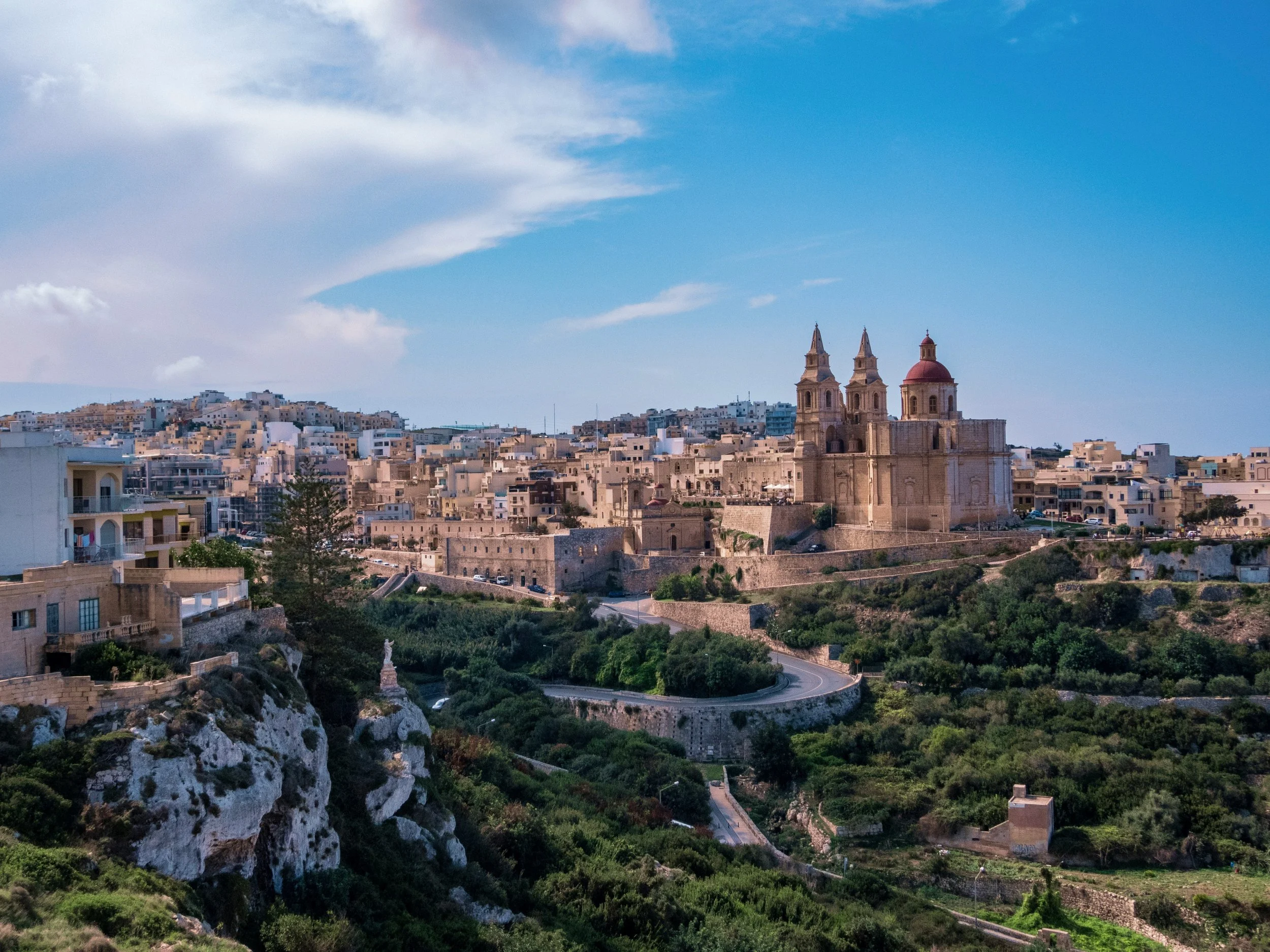
Malta is a distinguished Mediterranean island nation defined by its historic architecture and sunlit coastal landscapes. Its identity is shaped by a rich blend of European and North African influences. Offering culture, stability, and refined living, it presents a distinctive setting for a sophisticated island lifestyle.
Malta is a distinguished Mediterranean nation defined by its historic architecture and sunlit coastal landscapes, shaped by a rich blend of European and North African influences. The country offers a unique balance of cultural depth, modern living, and seaside charm, creating a refined and cosmopolitan atmosphere.
Today, its economy is driven by tourism, financial services, and technology.
Country Overview
Population
~520,000
Language
Maltese, English
Economy
Tourism, financial services, and technology
Currency
Euro
About Malta — An Overview
Malta—officially known as the Republic of Malta—is a Mediterranean island nation renowned for its historic architecture, strategic location, and rich cultural heritage. Comprising a small archipelago, it reflects a distinctive identity shaped by European and North African influences. Maltese and English are the official languages of government and business. A member of the European Union, the Commonwealth, and other international organizations, Malta maintains a stable and globally connected presence. Its currency, the euro, operates within a strong and well-regulated financial framework, under a structured parliamentary republic system of governance.
Malta enjoys a warm Mediterranean climate, with long, sunlit summers and mild winters, creating an effortless year-round lifestyle. For investors, it presents a compelling opportunity supported by a highly educated, English-speaking workforce and a sophisticated regulatory environment. Its economy is driven by tourism, financial services, technology, and real estate. Malta’s residency and citizenship by investment pathways are recognized for their rigor and credibility, offering qualified individuals access to European living and enhanced global mobility within a secure and reputable framework.
-
Donation To The National Development Fund + Investment In Government Bonds + Investment In Real Estate
€650,000 non-refundable donation to the National Development Fund, for the main applicant, and
€25,000 for the spouse and each minor child.
€55,000 for each unmarried child between 18-26 y.o., and for each dependent parent over 55 y.o.And
€150,000 Investment in bonds or shares approved by the Government of Malta. Investment must be kept for at least five years. And
€350,000 Investment in Maltese Real Estate, and keep it for at least five years, or
€16,000 annual property rent with a five-year contract.
Total Minimum Cash Outlayfor a family with a minor child: €1,200,000* (real estate investment) Or €930,000* (5-year property rent). *Excluding Fees (See fees below). -
Malta passport holders have access to approximately 185+ countries in total mobility, including around 140–145 visa-free destinations, 30–35 visa-on-arrival countries, and a number of eTA destinations, while roughly 10–15 countries still require a visa. Overall, this provides strong global mobility across Europe, North America, Asia, and the Commonwealth regions, offering extensive international travel access with minimal entry restrictions across most key global destinations.
-
The application process is typically completed within 12 to 36 months, depending on due diligence checks, residency or investment requirements, and the completeness of documentation. Malta’s citizenship and residency pathways follow a highly structured and regulated process, reflecting the country’s rigorous standards within the European investment migration framework.
Frequently Asked Questions
-
Malta offers a structured and EU-aligned tax environment, with taxation generally applied on worldwide income for tax residents, while non-residents are typically taxed only on Malta-sourced income. While standard taxes such as income, capital gains, and inheritance may apply depending on status and structure, the system is well-regulated and transparent.
From a corporate perspective, Malta provides a competitive and business-friendly framework within the European Union, supported by various tax refund and incentive mechanisms depending on ownership structure and activity. This positions Malta as an attractive jurisdiction for investors seeking EU market access, regulatory stability, and strategic financial planning opportunities.
-
Malta’s citizenship and residency by investment framework offers structured, regulated pathways primarily focused on residency leading to naturalisation:
A government-approved residency investment route involving property acquisition or lease, government contributions, and administrative requirements
Applicants apply through authorised agents, undergo thorough due diligence and background checks, and upon approval complete the required investment and residency conditions. Citizenship may be granted through a regulated naturalisation process after fulfilling the applicable residency period and requirements, in line with Malta’s legal framework.
-
No, there is no requirement to relocate permanently to Malta under its residency pathways, although physical presence is generally expected to maintain and progress residency status toward long-term eligibility.
The entire application process can be completed through authorised channels, including submission, due diligence, and approval. While residency obligations may apply depending on the specific programme route, individuals can maintain their status and benefit from Maltese residency rights while spending time abroad, in line with the applicable legal framework.
Apply for a Private Consultation
We work with a limited number of clients each quarter. Each engagement begins with a private consultation, and is tailored to the individual.
Applications are reviewed individually.
Consultation fee: $1,500 (applicable if accepted and credited upon engagement).